
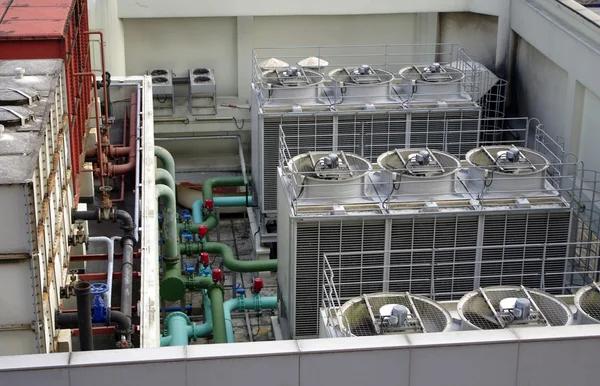
Commercial refrigeration plays a crucial role in enhancing food storage efficiency by maintaining optimal temperature conditions that prolong the freshness and safety of perishable items. By providing consistent cooling, these systems slow down the growth of bacteria and other microorganisms, which helps to reduce spoilage and waste. This stability is essential for businesses such as restaurants, supermarkets, and food processing facilities where large quantities of food need to be stored safely over extended periods.
One significant advantage of commercial refrigeration is its ability to create specialized environments tailored to different types of food products. For example, certain fruits and vegetables require higher humidity levels to stay fresh, while meats benefit from lower humidity settings. Modern refrigeration units often come equipped with adjustable controls that allow operators to fine-tune temperature and humidity according to specific storage needs. This customization not only preserves quality but also extends shelf life, reducing the frequency at which inventory must be replaced.
Energy efficiency is another important factor contributing to improved storage performance in Commercial Refrigeration systems. Advanced compressors, insulation materials, and smart thermostats optimize power consumption while maintaining precise temperatures. These innovations help businesses cut operational costs without compromising on cooling effectiveness. Additionally, energy-efficient models tend to have longer lifespans due to reduced mechanical strain, leading to fewer breakdowns and less downtime.
The design of commercial refrigeration equipment also enhances space utilization within storage areas. Units are often engineered with modular components or customizable shelving arrangements that maximize capacity without overcrowding products. Efficient use of space ensures proper air circulation around stored items, preventing uneven cooling or hot spots that could accelerate spoilage in certain sections.
Moreover, modern commercial refrigerators frequently incorporate monitoring technologies such as digital sensors connected to alert systems or remote management platforms. These features enable real-time tracking of temperature fluctuations and immediate notification if conditions fall outside safe ranges. Prompt responses reduce risks associated with accidental warming events caused by door openings or equipment malfunctions.
In summary, commercial refrigeration improves food storage efficiency through precise environmental control tailored for various foods combined with energy-saving technology and optimized spatial design. The integration of monitoring tools further safeguards product integrity by allowing quick intervention when necessary. Together these elements contribute significantly toward minimizing waste while ensuring consistent quality-benefits that are vital for any operation handling perishable goods at scale.