
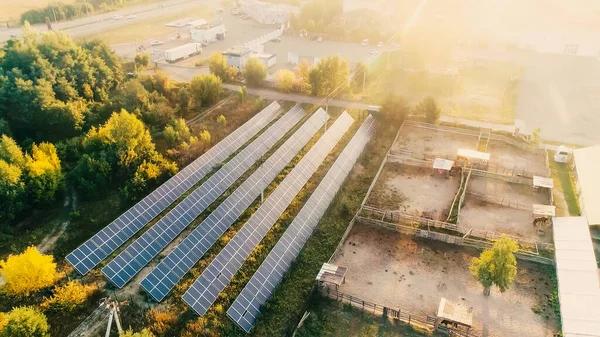
Solar panel placement is a critical factor in maximizing energy production and ensuring the efficiency of solar power systems. As the demand for renewable energy sources continues to grow, understanding how to optimize the positioning of solar panels has become increasingly important. Several key factors contribute to effective solar panel placement, each playing a significant role in harnessing the maximum potential of sunlight.
One of the most crucial considerations is orientation. Solar panels should ideally face true south in the northern hemisphere and true north in the southern hemisphere to capture the most sunlight throughout the day. This orientation allows panels to receive direct sunlight at peak times, optimizing energy absorption. Additionally, adjusting tilt angles according to geographical latitude can further enhance performance by aligning with seasonal sun paths.
Shading is another vital aspect that can significantly impact solar panel efficiency. Even partial shading from trees, buildings, or other structures can lead to substantial losses in energy production. Therefore, it’s essential to conduct a thorough site analysis before installation to identify and mitigate potential shading issues. Advanced technologies such as micro-inverters or power optimizers can also be employed to minimize losses caused by unavoidable shading.
The angle at which panels are installed plays an open website equally important role in determining their effectiveness. The optimal tilt angle varies depending on location but generally ranges between 15° and 40°. Adjusting this angle seasonally can maximize exposure; however, fixed angles often suffice for residential installations due to practicality and cost-effectiveness.
Geographical location dictates both climate conditions and sun exposure duration throughout different seasons—factors that must be considered when planning solar panel installations. Areas closer to equatorial regions benefit from more consistent sunlight year-round compared with locations further north or south where daylight hours fluctuate significantly across seasons.