
Water damage is one of the most common and costly problems homeowners face. From leaking pipes to roof issues, even a small amount of water can cause serious damage to walls, flooring, and structural components. Taking the time to learn the ins and outs of residential water damage can help homeowners identify risks early and protect their properties from expensive repairs.
One of the most common causes of water damage in homes is faulty plumbing. Leaking pipes, worn-out connections, or burst hoses can allow water to escape and slowly damage surrounding materials. Over time, hidden leaks can lead to mold growth and structural weakening. Regularly inspecting plumbing systems and replacing old pipes or hoses can significantly reduce the risk of water-related damage.
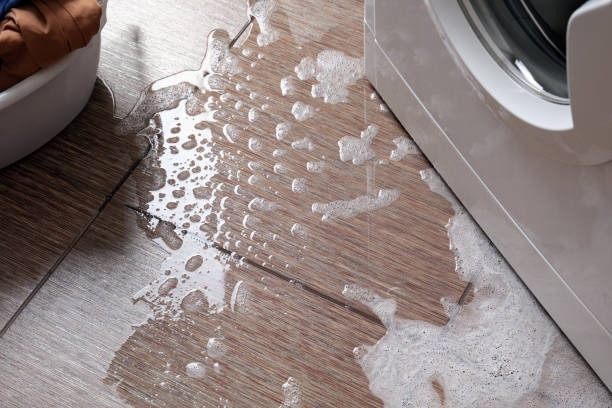
Another major cause of water damage is malfunctioning household appliances. Appliances such as washing machines, dishwashers, refrigerators, and water heaters use water regularly and can develop leaks as they age. A loose hose or worn seal may start as a small drip but can quickly turn into a large leak if left unattended. Checking appliance connections, replacing old hoses, and performing routine maintenance can help prevent these problems.
Roof leaks are also a significant contributor to residential water damage. Damaged shingles, cracked flashing, or clogged gutters can allow rainwater to seep into ceilings and walls. This type of damage often goes unnoticed until stains appear on the ceiling or moisture begins to affect insulation and structural materials. Regular roof inspections and gutter cleaning can help ensure that rainwater flows away from the home instead of entering it.
Poor drainage around the home is another common issue. When rainwater is not properly directed away from the foundation, it can accumulate near the base of the house. Over time, this water may seep into basements or crawl spaces, causing moisture problems and structural damage. Proper grading, functional downspouts, and well-maintained drainage systems are essential to keeping water away from the building’s foundation.
Prevention is the key to avoiding long-term damage. Regular home inspections, timely repairs, and proper maintenance of plumbing, roofing, and drainage systems can make a significant difference. Monitoring water bills for sudden increases, installing leak detection devices, and addressing small leaks immediately are also effective ways to protect a home from water damage.
In conclusion, residential water damage can occur for many reasons, but most issues are preventable with proper care and awareness. By understanding the main causes and taking proactive steps to maintain essential systems, homeowners can safeguard their property and avoid costly repairs in the future. Learning how to manage these risks ensures that homes remain safe, dry, and structurally sound for years to come.