
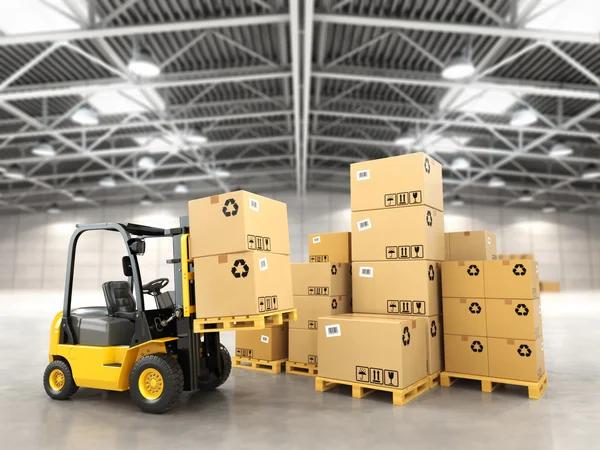
Businesses that engage in shipping goods across Canada and the USA increasingly benefit from the flexibility offered by Less Than Truckload (LTL) freight shipping. This shipping method allows companies to send smaller shipments without the need to fill an entire truck, making it a cost-effective and efficient solution for various industries. The flexibility inherent in LTL freight shipping enables businesses to adapt to fluctuating demands and diverse shipping requirements, which is essential in today’s fast-paced market environment.
One of the primary advantages of flexible LTL freight shipping is cost savings. Since businesses pay only for the portion of the trailer space their shipment occupies, they avoid the high costs associated with Full Truckload (FTL) shipping when their shipment volume is less than a full truck. This flexibility is particularly beneficial for small and medium-sized enterprises (SMEs) that regularly ship moderate quantities of goods. By optimizing shipping expenses, businesses can allocate resources more effectively to other critical areas such as production and marketing.
Furthermore, flexible LTL freight shipping offers improved transit times and scheduling options. Carriers that operate across Canada and the USA have established extensive networks that facilitate timely deliveries. Businesses can benefit from multiple pickup and delivery schedules, enabling them to meet customer expectations more consistently. This adaptability supports better inventory management, reduces storage costs, and enhances overall supply chain efficiency.
Another significant benefit is the ability to ship a wide variety of products with different sizes, weights, and handling requirements. LTL freight carriers are equipped to handle diverse freight types, including palletized goods, machinery parts, and packaged products. This versatility allows businesses to consolidate different types of shipments into a single freight load, further maximizing cost-efficiency and minimizing transit complexities.
Additionally, businesses shipping across the US-Canada border find LTL freight shipping advantageous due to tailored customs handling services. Many LTL carriers offer expertise in cross-border logistics, simplifying the paperwork and regulatory requirements. This reduces delays and ensures compliance with trade regulations, which is particularly important for companies operating in highly regulated industries or shipping perishable goods.
The technological innovations integrated into modern LTL freight shipping also contribute to its flexibility. Real-time tracking systems, online booking platforms, and electronic documentation provide businesses with greater visibility and control over their shipments. Enhanced communication between shippers and carriers helps in promptly addressing any issues, optimizing route planning, and improving overall customer satisfaction.
In conclusion, flexible LTL freight shipping across Canada and the USA offers businesses numerous benefits including cost savings, improved transit times, product versatility, simplified cross-border logistics, and advanced technological support. These advantages enable companies to streamline their shipping processes, adapt to market demands, and maintain a competitive edge in the logistics landscape.