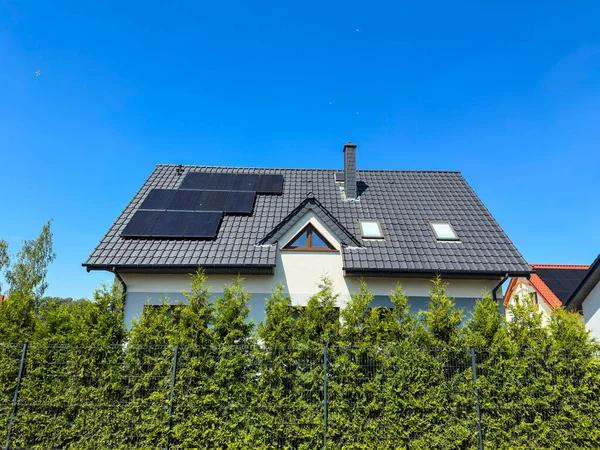
When considering solar panel installations on rooftops, ensuring safety is a critical aspect that must be addressed through specific requirements and standards. Rooftop solar systems are becoming increasingly popular due to their environmental benefits and potential cost savings. However, improper installation can lead to structural damage, electrical hazards, or reduced system efficiency. Therefore, understanding the necessary safety measures before installation is essential for homeowners, contractors, and inspectors alike.
One of the primary concerns in rooftop solar installations is the structural integrity of the roof. Before mounting panels, it is important to assess whether the roof can support additional weight without compromising its stability. This involves evaluating explore the content type of roofing material, age of the structure, and load-bearing capacity. Engineers or qualified professionals typically perform these evaluations to ensure that both live loads (such as snow or maintenance personnel) and dead loads (including panels and mounting hardware) are within safe limits for the building.
Proper anchoring methods also play a vital role in maintaining rooftop safety. The mounting system must securely attach panels to prevent displacement caused by wind uplift or seismic activity. Installers should follow manufacturer guidelines carefully while using corrosion-resistant fasteners compatible with roofing materials to avoid leaks or deterioration over time. Waterproofing around penetrations created during installation must be meticulously done to prevent water infiltration that could cause mold growth or weaken structural components.
Electrical safety cannot be overlooked when installing rooftop solar systems. Components such as wiring, inverters, and breakers need correct sizing and placement according to local electrical codes like the National Electrical Code (NEC). All connections should be weatherproofed with appropriate conduit fittings designed for outdoor use. Grounding systems must be established effectively to protect against electrical shock hazards during operation or maintenance activities.
Fire safety considerations include ensuring adequate spacing between panels and other rooftop equipment for ventilation purposes while minimizing fire spread risks through proper material selection and design layout. Some jurisdictions require specific fire classification ratings for installed modules based on their flammability characteristics.
Regular inspection after installation helps maintain ongoing rooftop safety by identifying potential issues early on such as loose fittings, damaged cables, or compromised waterproof seals caused by environmental exposure over time.
In summary, adhering strictly to structural assessments, secure mounting practices, comprehensive electrical code compliance including grounding procedures alongside fire prevention strategies ensures safe rooftop solar installations that protect both property integrity and occupant wellbeing throughout system lifespan.