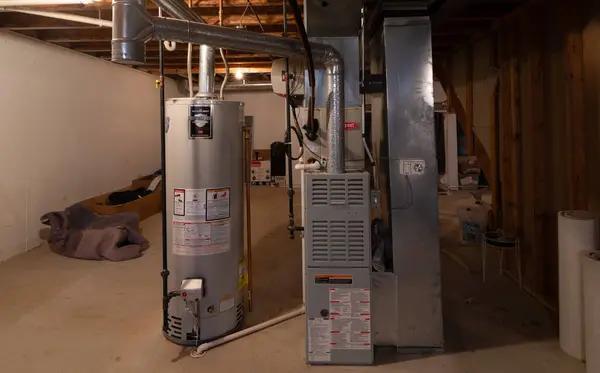
As the seasons change and temperatures begin to drop, ensuring your home remains a haven of warmth and comfort becomes paramount. One of the key components in maintaining this cozy environment is your furnace. However, like any other appliance, furnaces have a lifespan and will eventually require replacement. Recognizing the warning signs early can save you from unexpected breakdowns and costly repairs.
First and foremost, age is a significant factor when considering furnace replacement. Most furnaces are designed to last between 15 to 20 years. If your furnace falls within or exceeds this range, it might be time to start planning for a replacement even if it’s still functioning adequately. An aging furnace may not operate as efficiently as newer models, leading to increased energy bills.
Another crucial sign that indicates the need for replacement is frequent repairs. If you find yourself calling HVAC professionals more often than usual or spending money on constant fixes, it might be more cost-effective in the long run to invest in a new unit rather than continuing with patchwork solutions.
Uneven heating throughout your home can also signal that your furnace is on its last legs. If some rooms feel too cold while others are excessively warm despite see website thermostat adjustments, this inconsistency could indicate that your system is struggling to distribute heat evenly due to wear and tear or outdated technology.
Listen closely for unusual noises emanating from your furnace; these could be early indicators of trouble brewing within the system. Rattling, buzzing, or humming sounds suggest mechanical issues that may warrant further investigation by professionals who can determine whether repair or replacement is necessary.
Pay attention to rising utility bills without an increase in usage patterns—this could signify diminishing efficiency levels in an older unit working overtime just trying (and failing) at keeping up with demand during colder months ahead! Replacing inefficient systems helps lower costs while providing better overall performance year-round!
A yellow burner flame instead of blue should raise red flags about potential carbon monoxide leaks posing serious health risks requiring immediate attention—don’t ignore safety concerns associated here either! Ensure regular inspections occur annually alongside replacing units past their prime before hazardous situations arise unexpectedly!