
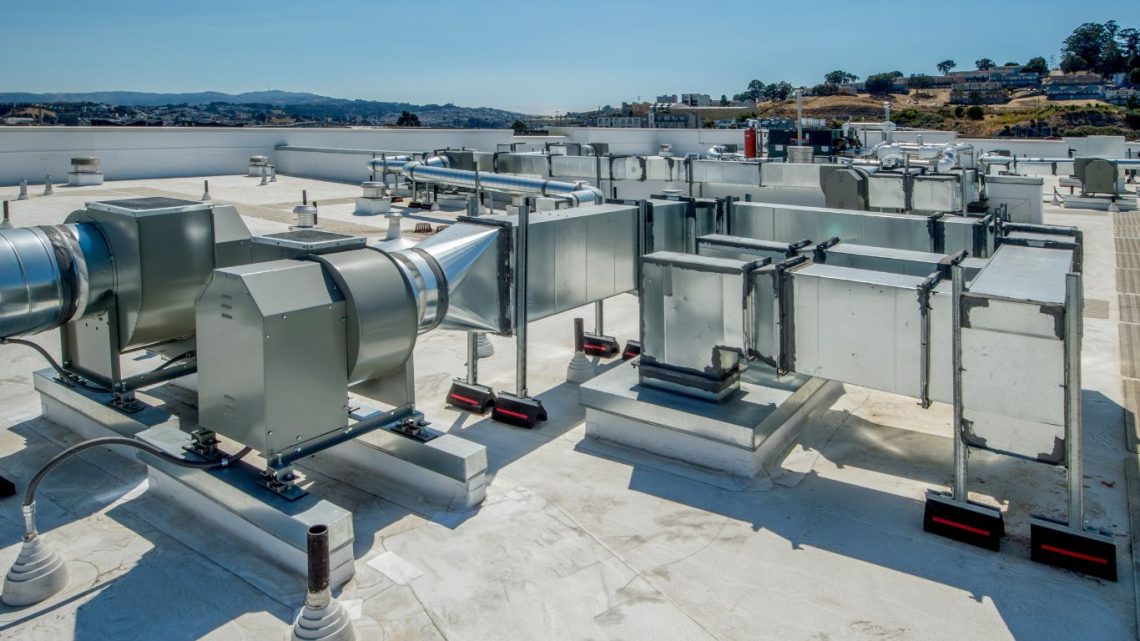
Designing HVAC infrastructure requires careful consideration of the local climate to ensure energy efficiency, occupant comfort, and system longevity. Climate factors such as temperature extremes, humidity levels, seasonal variations, and air quality significantly influence the selection and configuration of heating, ventilation, and air conditioning systems. Ignoring these elements can lead to increased operational costs, reduced equipment lifespan, and inadequate indoor environmental conditions.
In regions with hot climates, cooling loads dominate HVAC design priorities. Systems must be capable of handling high outdoor temperatures while maintaining comfortable indoor environments. This often involves selecting equipment with sufficient capacity for peak heat gain periods and incorporating features like variable speed compressors or advanced refrigerants that improve efficiency under stress. Additionally, shading devices or reflective roofing materials can reduce solar heat gain on buildings, indirectly lowering cooling demands.
Conversely, cold climates emphasize heating requirements in HVAC planning. get the details infrastructure should efficiently deliver warmth during prolonged low-temperature intervals without excessive energy consumption. Heat pumps designed for cold weather or high-efficiency boilers are common solutions in these areas. Proper insulation and airtight construction complement HVAC efforts by minimizing heat loss through the building envelope. Ventilation strategies must also account for fresh air needs without compromising thermal performance.
Humidity control plays a crucial role across various climates but is particularly important in humid zones where moisture can affect both comfort and structural integrity. Excessive indoor humidity fosters mold growth and deteriorates building materials while causing discomfort among occupants. Dehumidification components integrated into HVAC systems help maintain optimal moisture levels alongside temperature regulation.
Seasonal variability influences how flexible an HVAC system must be to adapt throughout the year effectively. In locations experiencing wide temperature swings between summer and winter months, designs often incorporate dual-function units capable of both heating and cooling efficiently rather than separate specialized systems for each season.
Air quality considerations tied closely to climate include filtering capabilities that address pollutants more prevalent in certain environments such as dust in arid areas or allergens during specific seasons. Incorporating appropriate filtration technology ensures healthier indoor atmospheres regardless of external conditions.
Overall sustainability goals align with climate-conscious design by encouraging renewable energy integration like solar-assisted heating or geothermal exchange systems tailored to local conditions. By analyzing historical weather data alongside predictive models during the design phase, engineers develop optimized solutions reducing carbon footprints while enhancing occupant well-being.
In summary, integrating detailed climate analysis into HVAC infrastructure design not only improves system performance but also contributes to long-term cost savings and environmental responsibility through smarter resource utilization adapted specifically to regional challenges presented by nature’s diverse patterns worldwide.