
Maintaining good oral hygiene is essential for overall health, and understanding the distinction between professional dental cleaning and regular brushing plays a crucial role in achieving this goal. While both practices contribute to keeping teeth and gums healthy, they serve different purposes and offer varying levels of effectiveness. Regular brushing is a fundamental daily habit that helps remove food particles, plaque, and surface stains from the teeth. It involves using a toothbrush with toothpaste to clean all surfaces of the teeth, typically twice a day. Brushing disrupts the formation of plaque-a sticky film of bacteria that accumulates on teeth-and prevents it from hardening into tartar. However, despite its importance, brushing alone cannot eliminate all plaque or reach every area within the mouth.
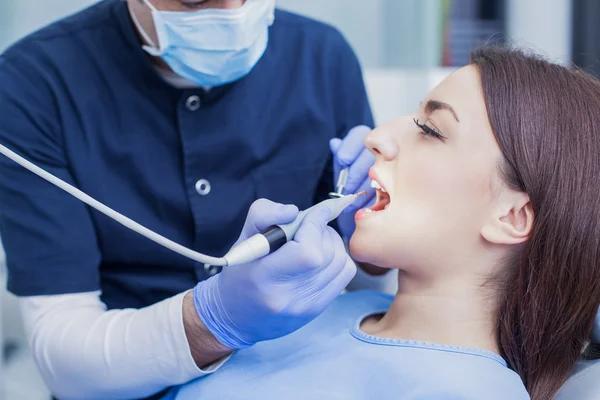
Professional dental cleaning, performed by trained dental hygienists or dentists during routine visits, goes beyond what regular brushing can achieve at home. visit this website to learn more procedure involves specialized tools designed to thoroughly remove hardened tartar deposits that accumulate above and below the gum line-areas where toothbrushes cannot effectively reach. Tartar buildup can lead to gum inflammation and periodontal disease if left untreated. During professional cleaning sessions, clinicians also polish teeth to remove stubborn surface stains caused by coffee, tea, tobacco use, or certain foods. Additionally, they may apply fluoride treatments to strengthen enamel and help prevent cavities.
The frequency of professional cleanings varies depending on individual oral health needs but generally occurs every six months for most people. Those with specific conditions such as gum disease might require more frequent visits for scaling and root planing procedures aimed at deeper cleaning beneath the gums. In contrast to daily brushing’s preventative nature against plaque accumulation on visible tooth surfaces, professional cleanings provide comprehensive maintenance by addressing hidden areas vulnerable to bacterial growth.
Another key difference lies in early detection opportunities offered during dental appointments involving professional cleaning. Dentists assess oral tissues for signs of decay or other abnormalities while performing these treatments-something not achievable through self-care alone.
In summary, regular brushing forms an indispensable part of everyday oral hygiene by controlling plaque buildup on accessible tooth surfaces but has limitations in removing hardened deposits or reaching difficult areas within the mouth. Professional dental cleanings complement this routine by offering thorough removal of tartar below the gum line along with polishing and preventive treatments under expert supervision. Together they form a balanced approach essential for maintaining optimal dental health over time; neither should replace the other but rather work hand-in-hand as part of comprehensive care strategies recommended by dental professionals worldwide.