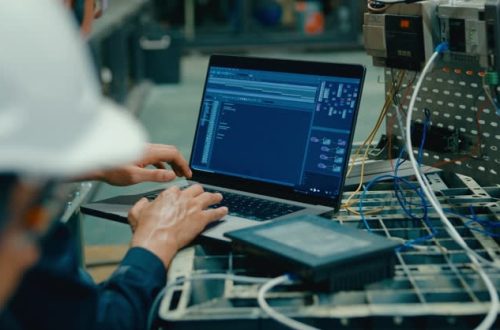
Smart heating and cooling systems have transformed the way people manage indoor comfort, offering advanced technology that adapts to individual needs while improving energy efficiency. These systems utilize sensors, programmable thermostats, and connectivity features to maintain optimal temperatures throughout a home or office. Unlike traditional HVAC units that operate on fixed schedules or manual adjustments, smart systems learn user preferences over time and adjust settings automatically for enhanced convenience.
One of the key advantages of smart heating and cooling is their ability to reduce energy consumption without sacrificing comfort. By monitoring real-time temperature changes and occupancy patterns, these systems can lower heating or cooling output when rooms are unoccupied or during specific times of the day. This targeted approach not only decreases utility bills but also minimizes environmental impact by reducing unnecessary energy use. Additionally, many modern smart thermostats provide detailed reports and insights through mobile apps, allowing users to track their consumption habits and make informed decisions about their climate control.
Integration with other smart home devices further enhances the functionality of these systems. For example, voice assistants such as Alexa or Google Assistant enable hands-free control over temperature settings using simple commands. Some models also connect with weather forecasts to preemptively adjust indoor conditions based on external climate changes. This proactive feature helps maintain consistent comfort levels regardless of sudden shifts in outdoor temperatures.
Installation processes for smart Phoenix Heating and Cooling systems have become increasingly accessible due to improved compatibility with existing HVAC infrastructure. Many products offer straightforward setup procedures that do not require extensive technical knowledge or professional intervention in most cases. However, consulting a specialist can ensure optimal placement of sensors and proper calibration tailored to specific building layouts.
Security measures are an important consideration when adopting connected climate control solutions since they rely on internet access for remote management capabilities. Manufacturers typically implement encryption protocols and regular software updates to protect user data from unauthorized access or cyber threats.
Overall, smart heating and cooling systems represent a significant advancement in residential and commercial comfort management by combining automation, efficiency, and ease of use into one cohesive solution. As technology continues evolving rapidly within this sector, future developments may introduce even more sophisticated features aimed at enhancing personalization while promoting sustainability in everyday living environments. Embracing these innovations offers practical benefits that extend beyond mere temperature regulation toward smarter resource utilization across various settings worldwide.