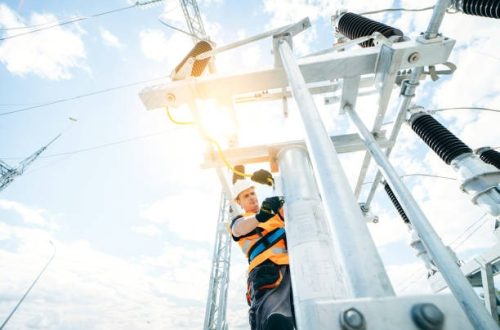
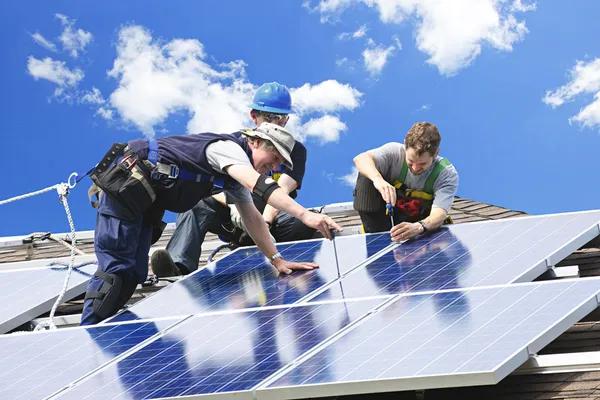
Emergency support options in solar installation and maintenance are essential to ensure the reliable operation and longevity of solar energy systems. Solar installations, while generally low-maintenance, can encounter unexpected issues such as equipment failure, wiring problems, or performance drops that require immediate attention. Having access to prompt and effective emergency support can minimize downtime, protect investments, and maintain energy production efficiency. Many solar providers offer dedicated emergency services as part of their customer care packages or extended warranties. These services typically include rapid response teams trained specifically in photovoltaic system troubleshooting and repair.
When a problem arises, customers often have access to 24/7 helplines staffed by technical experts who guide users through initial diagnostics over the phone or via online communication tools. This immediate assistance helps determine whether the issue is minor and manageable on-site or if professional intervention is necessary. For more complex situations involving electrical faults or hardware malfunctions, companies dispatch certified technicians equipped with specialized tools to perform repairs safely and efficiently. Emergency visits are prioritized based on severity levels defined by the service provider’s protocols.
Some solar firms also integrate remote monitoring technologies into their systems which allow continuous real-time tracking of performance metrics such as voltage output, current mens beach robe flow, temperature variations, and inverter status. These platforms automatically alert both customers and service centers when anomalies occur that could indicate potential failures or safety hazards like overheating components or sudden power loss. Remote diagnostics enable quicker identification of issues before they escalate into costly repairs while facilitating targeted onsite interventions when needed.
In addition to reactive measures during emergencies, many providers emphasize preventive strategies including routine inspections scheduled at regular intervals post-installation. These check-ups help detect wear-and-tear signs early on so corrective actions can be taken proactively rather than reactively under urgent circumstances. Emergency support plans may also cover replacement parts availability ensuring critical components like inverters or batteries are stocked for swift swaps without prolonged waiting periods.
For residential users unfamiliar with electrical systems’ intricacies involved in solar setups, professional emergency assistance offers peace of mind by handling potentially hazardous tasks safely according to industry standards and regulations. Commercial installations benefit similarly but often require tailored emergency protocols due to larger scale arrays and integration complexities with existing power infrastructure.
Overall, comprehensive emergency support options play a crucial role in maintaining uninterrupted solar power generation while safeguarding user safety and system integrity throughout the lifespan of the installation. Accessing these services promptly reduces operational disruptions caused by unforeseen events thereby enhancing confidence in renewable energy investments made today for a sustainable future tomorrow.